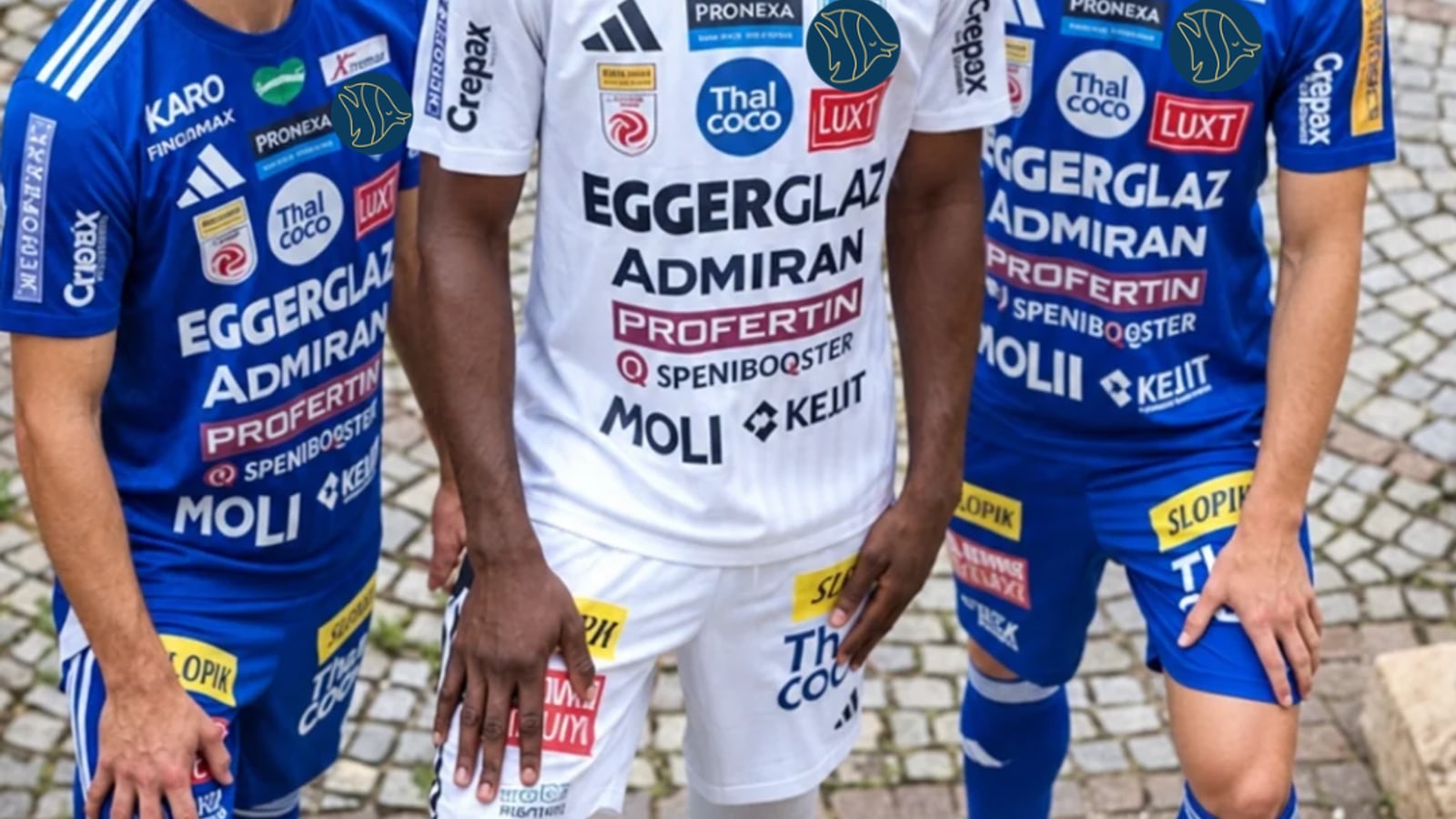
Finding a sponsor is not reserved for famous athletes or large clubs. Brands need people and organizations that reach a relevant audience, inspire trust and can manage a partnership consistently. A strong start depends on explaining what you offer, not simply how many companies you contact.
These five steps help athletes, teams and creators approach sponsorship systematically. The goal is not to send every company the same message, but to prepare a proposal that creates value for the right partner.
1 Clarify your sponsorship goal
Explain why you need support. Funding a season, buying equipment, entering a tournament and expanding content production are different objectives. An unclear goal makes both the budget request and the proposed return less convincing.
Describe the need in one sentence. 'We are seeking season-long support for our team's away-game transport' is more informative than 'Will you sponsor us?' Then decide whether cash, products or a service partnership would meet that need.
2 Identify the value you can offer
Sponsorship is not simply a donation request. A brand may expect visibility, content, community access or a credible story in return. Jersey and venue exposure matter, but regular social content, events, product experiences and employee activities can also create value.
List your channels: social accounts, matches, tournaments, broadcasts, email lists, local communities, schools or federation networks. Explain the contact each channel offers. Show audience quality and engagement instead of inflating reach.
3 Prepare a professional profile and sponsorship package
Bring your biography, sport or content field, audience, achievements, contact details and current images together in an organized profile. Incomplete or scattered information can prevent a promising proposal from passing its first review.
State the support options and the return for each. Different package sizes can make a conversation easier than one large budget request. Never promise posts or visibility you cannot deliver; a sustainable offer is worth more than an ambitious but vague one.
4 Research suitable brands and personalize your approach
Prioritize companies whose audiences, values and activities match yours. Local businesses may suit a community team; specialist products and services may suit a niche athlete. Do not overlook small and medium-sized businesses while contacting large brands.
Give one or two specific reasons why the company is a good fit. Avoid a generic template with only the brand name changed. A short introduction, shared objective, proposal summary and meeting request are usually enough.
5 Set up follow-up and measurement
Track whom you contacted, when, which package you sent and the next action. Follow up politely after a reasonable period without sending repeated pressure messages.
Discuss measurement when conversations begin. Select views, reach, clicks, attendance or content quantities according to the partnership. Preparing this framework supports both the first agreement and future renewal.
How long does finding a sponsor take?
It depends on the proposal, the number of suitable brands and their decision cycles. Work with a relevant shortlist rather than relying on one application. Record each conversation, follow up reasonably and use rejection to improve the offer. Fit and consistent communication matter as much as speed.