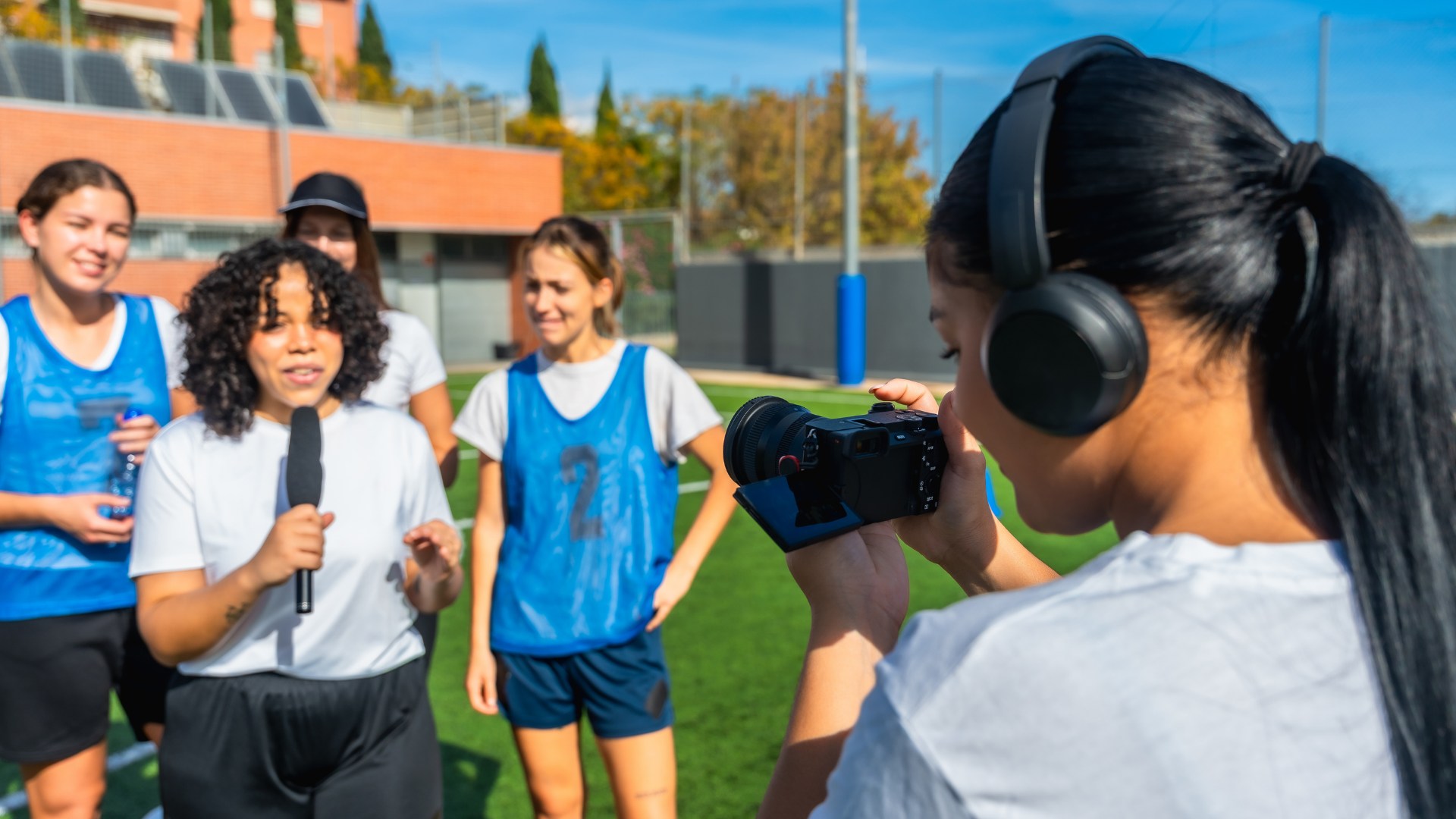
Interest in women's sports is no longer just a temporary wave around major tournaments. Grassroots participation is growing, broadcasts reach larger audiences and athlete stories are followed throughout the season. This is turning a once less-visible category into a sustainable sports economy.
Brands are watching closely. In Platformation's 2026 Sponsorship Decision-Makers Survey, 69.1% of respondents said they invest in women's sports or are actively considering it. Nielsen reports 46 billion minutes watched in 2025, up 71% since 2022. The question is no longer whether there is potential, but how brands can participate effectively.
Growth from grassroots to the mainstream
More girls and young athletes can access regular training, from football, basketball and volleyball to individual disciplines. This builds not only today's participation but future leagues, fans and creators.
More regular broadcasting helps performances and personal stories reach a wider audience. Fans can build relationships with athletes, teams and leagues throughout the season, beyond a single tournament.
Larger audiences create broader opportunities
Commercial value is not explained by total viewing alone. Women's sports can connect with young people, families, local communities and values-led consumers. The right athlete, team or organization can give a brand a natural, credible audience relationship.
Developing competitions may offer substantial exposure at accessible budgets, but low cost should not be the only selection criterion. Evaluate audience fit, content capacity, broadcast consistency and long-term partnership potential together.
Fans notice sponsors
Sponsorship can influence how fans perceive and engage with brands. The Turkish article cites Nielsen's 2026 study reporting that more than 30% of NWSL fans had bought from a brand after seeing in-game sponsorship.
Exposure needs activation: athlete stories, product experiences, fan events, girls' participation programs and original digital content can turn a logo into a living relationship.
From logo exposure to a real partnership
Supporting women's sport can express a corporate position, but relying only on an equality message overlooks commercial value. Define the intended result: awareness, acquisition, trial, employee engagement or local reputation.
A performance brand might develop product experiences, a technology company might focus on data or fan interaction, and a local business might support equipment or transport. Ask what value you can create together, not only where the logo goes.
How athletes and teams can prepare
More brand interest does not guarantee a sponsor for every profile. Keep sport, level, achievements, upcoming dates, audience and contact information current and verifiable.
Specify the support needed, rights, content quantities, usage periods and reporting. Training diaries, video series, experiences and events can offer more substance than a jersey logo alone.
Measurement is a starting requirement
The Turkish article cites Platformation research in which measurability was the highest priority for 70.6% of senior sponsorship buyers. Plan measurement before the agreement, not only in a final presentation.
Match reach and recall to awareness, shares and saves to engagement, and clicks, code use or sales to conversion. Report deliverables separately from outcomes to support sound renewal decisions.
Can a female athlete with a small audience find a sponsor?
Yes. A defined local community, high engagement, a distinctive story or close audience fit may matter more than total following. Present your audience, calendar, content options and measurement plan clearly.