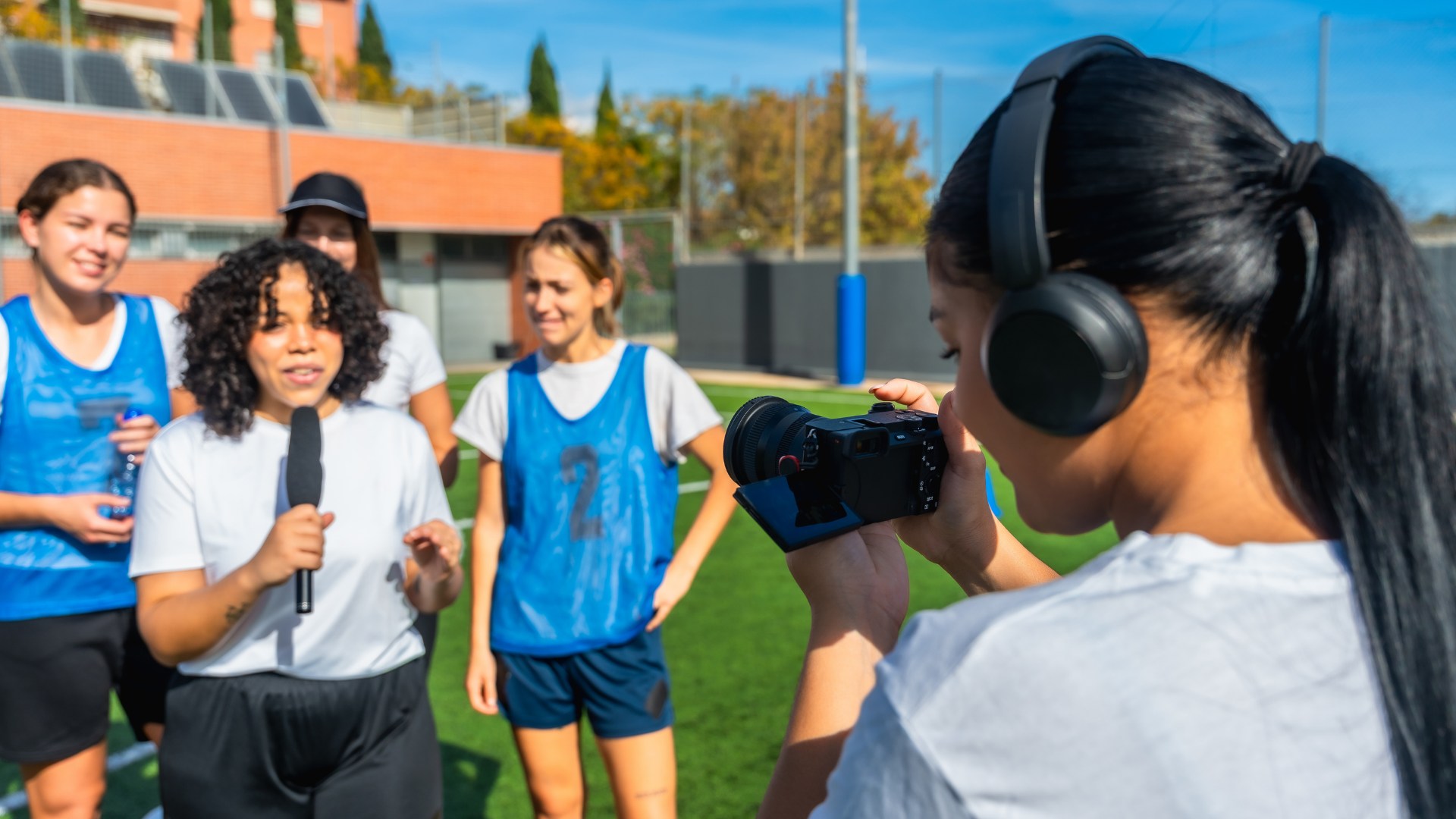
Sports creators give brands access to communities built around shared interests. Decisions involve audience fit, tone, previous partnerships and delivery discipline as well as follower count.
A strong collaboration reaches the right audience naturally and follows a predictable process. Creators can prepare by strengthening the following areas.
A clear topic and audience
Football analysis, running, fitness, aquatic sports, sports culture and equipment reviews reach different communities. A defined core topic with supporting series is easier to evaluate than an unfocused profile.
Include current demographics, leading cities or countries and interests in your media kit. For new accounts without much data, content focus, comment quality and community relationships become more important.
Natural, high-quality integration
Show products in a genuine use context, explain your experience and preserve the content's tone. Balance required brand messages with audience expectations.
Quality is not just expensive equipment. Clear sound, lighting, readable text and an understandable edit often suffice. Check product names, links, tags and advertising disclosures before delivery.
Reliable data and realistic forecasts
Present average views, reach, watch time, saves and clicks over comparable periods and formats. Do not use one exceptional post as the average.
Offer a range based on previous data rather than guaranteed outcomes. Explain that the topic, timing and paid support can affect performance.
Brand safety and transparency
Brands expect language and previous content compatible with their reputation. Hate speech, misinformation, hidden advertising or constant controversy can increase risk. Critical opinions need not disappear; evidence and communication style matter.
Disclose paid and product-based partnerships under applicable advertising and platform rules. Explain existing competitor agreements at the start.
Delivery discipline and reporting
Plan briefing, idea approval, filming, revisions and publication dates. Communicate delays early. Put revision allowances and usage periods in writing.
After publication, share reach and engagement records. Larger campaigns may need clicks, code use and recurring comment themes. Consistent reporting improves the next campaign's scope.
What belongs in a media kit?
Include current followers, demographics, average reach, views and engagement for the last 30 or 90 days, content examples, previous partnerships and available formats. State date ranges and comparable averages rather than cherry-picking results.